Instagram

“I’ll check” leaves a promise to come back to
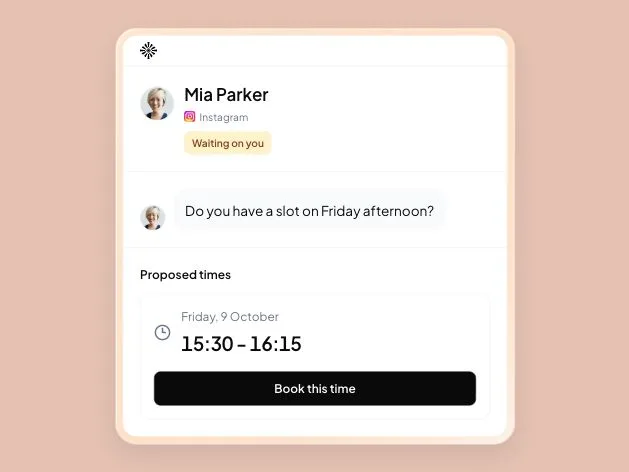
A client asks on Instagram to move her appointment to Friday afternoon. The receptionist replies, “I’ll check with the stylist.” Then the phone rings, another client arrives, and the conversation slides down the inbox.
The client has seen a reply. She still doesn’t know whether she can arrange her afternoon around a new appointment. This illustrative salon example shows why an unread-message count can miss requests that still need an answer.
To track unanswered Instagram messages, keep a list of the requests your team still owes a reply on, with a person responsible for each. Separate them from conversations where you’re waiting for the customer to decide.
Look for the answer the client is still waiting for
Reading a DM removes the unread marker. A quick acknowledgement can make the thread look handled. Neither tells you whether the client got the answer they need.
For the Friday appointment, ask what has to happen next. This changes as the conversation moves along:
| Where the request stands | Who needs to act? | Next step |
|---|---|---|
| The client asks about Friday | Your team | Check the schedule and offer a time |
| You’ve offered a time | The client | Decide whether it works |
| The client accepts | Your team | Check the slot, update the appointment and confirm |
| A cancellation is acknowledged and recorded | No reply owed | Close the conversation |
Keep team checks separate from customer decisions in whatever list or tool you use. Otherwise, a quiet client can be blamed for a delay that’s still on your side.
Write down what you need to check
Give the request an owner, then write the unfinished action clearly enough that another receptionist could help. “Follow up” makes them investigate; this gives them somewhere to start:
Example task: “Check whether the stylist can move this appointment to Friday afternoon. Keep the existing appointment until the change is confirmed. Reply with the available time.”
If you offer a slot, tell the client whether you’re holding it. Only give a hold period your team will maintain. If you don’t hold times, explain that you’ll check availability again when they reply. They should know whether they can rely on the offer.
Send the answer you promised
If you promised to check Friday, “Are you still interested?” can feel odd to a client who has been waiting for you. Finish your check and send the detail they asked for:
Example reply: “I’ve checked Friday afternoon. We can offer [time] with [stylist]. Would you like us to move your appointment to that slot?”
When the client is the one deciding, give them a gentle way to continue without pretending the move has already happened:
Example follow-up: “Would you like the Friday slot we discussed? Your appointment hasn’t been moved yet. Let us know and we’ll check that the new time is still available.”
Use the facts you’ve agreed, and check the channel’s rules before sending a later message. A follow-up should help finish this request rather than introduce an unrelated promotion.
Finish the reschedule as well as the conversation
The client says yes. Check the slot and update the appointment before sending the final time, service and location. If the reply says Friday but the schedule still says Thursday, the next receptionist inherits a problem neither of you meant to create.
In Inboks, Waiting on you keeps your team’s outstanding replies visible; Waiting on customer separates the decisions you’ve asked clients to make. In a service workspace, you can open the linked appointment from the conversation and update the agreed time. Use Completed once the reply is handled and the appointment is correct.
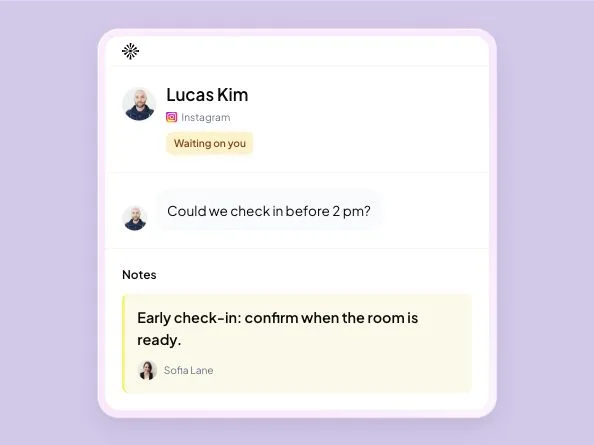
Private conversation notes start with Starter if you want to leave the check beside the message history. Update any external calendar separately. See the salon workflow and plans for the relevant setup.
Check the small promises before closing
Near the end of the day, read the promises in your open conversations. The ones that are easiest to overlook often sound harmless:
- “I’ll check” without a final answer.
- “That time works” without a confirmed appointment update.
- “My colleague will get back to you” after that colleague has left.
- “We’ve cancelled it” while the visit is still in the schedule.
- “I’ll send the details” without the promised message.
Give each unfinished promise to someone who can act on it. If it needs tomorrow’s shift, leave the question and the last thing you told the client.
Start with the conversations you already have
Open the threads where you told someone you’d come back to them. Put the requests you still owe an answer on your work list and assign each to a person. You can begin with today’s conversations rather than reorganising the whole inbox.
For the salon client, the final confirmation needs the new date and time and the appointment it replaces. The appointment text templates give you wording to use after the change is agreed and saved.
Frequently asked questions
Is an unanswered Instagram message the same as an unread message?
No. A teammate may have read the DM or replied “I’ll check” while the customer still waits for a final answer. Track the unfinished request and the next action your team owes, as well as messages nobody has opened.
How do I track a DM after sending a quick acknowledgement?
Keep it on your team’s open work list with an owner and the check you promised. In Inboks, use Waiting on you while your team owes the next answer. Sending an acknowledgement does not finish a stock check, booking change or appointment request.
When should I follow up on an unanswered request?
Use the reply time you promised and the customer’s deadline to decide what needs attention. If you owe information, finish the check and send that information. When the customer is deciding, make the next step clear and check the channel’s sending rules before contacting them again.
Should I close a conversation while waiting for the customer?
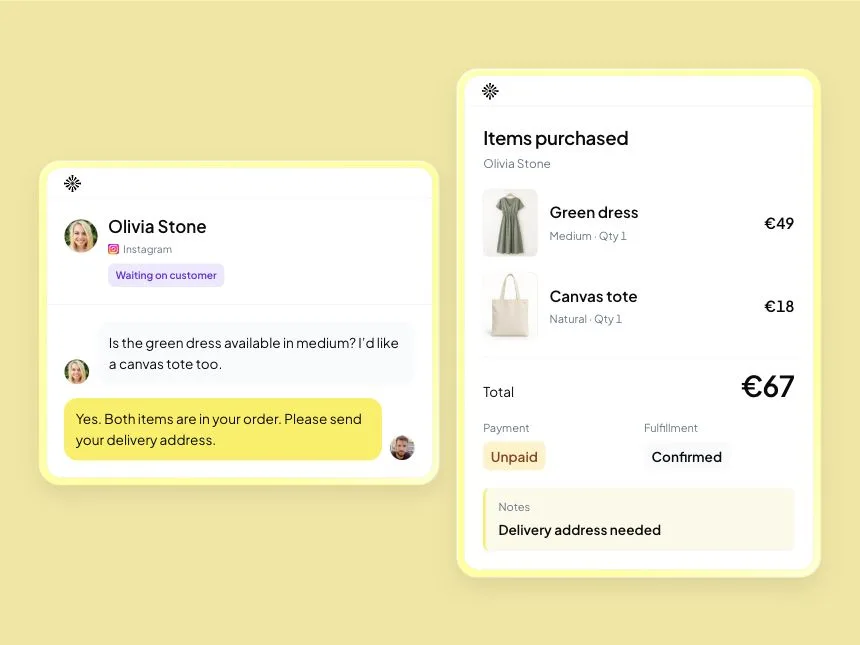
Use Waiting on customer when you have answered and need the customer to choose or supply a detail. Mark the conversation Completed once no reply is owed and any agreed change is recorded. Keep preparation or delivery progress in the linked business record.

Try Inboks with the teammate who handles follow-up. 14 days free, no card required.